Houseplants in Winter: How to Keep Your Indoor Jungle Thriving
Shorter days and central heating can leave houseplants struggling, but a few simple changes will help them sail through to spring.
As the days shorten and the heating goes on, many houseplants quietly start to sulk. Leaves droop, tips turn brown and growth slows to a crawl. It is not that your green fingers have failed you. Winter is simply a different season for indoor plants, and a few small adjustments to your care routine can help them get through the darker months in good shape.
Water Less, Check More
Most houseplants grow much more slowly in winter, which means they need less water. Overwatering is one of the most common winter problems, as soggy compost can lead to root rot. Rather than sticking to a fixed schedule, push a finger into the soil and only water when the top layer feels dry. Use room-temperature water, as very cold water can shock some plants.
Chase the Light
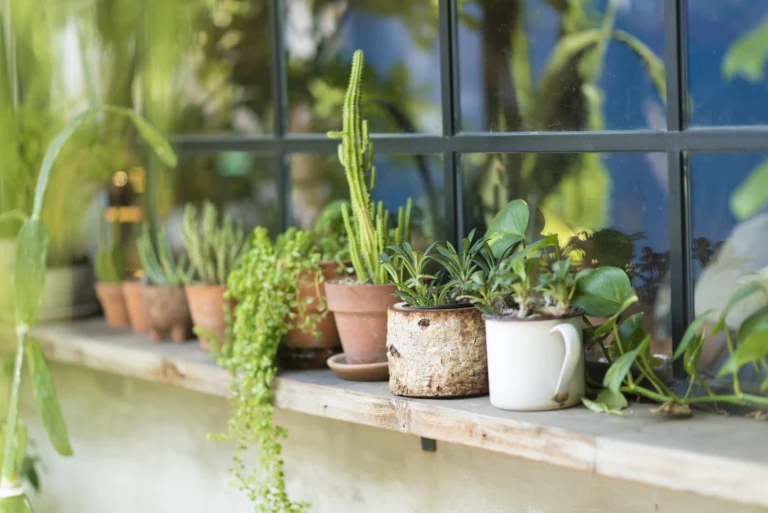
Winter light is weaker and shorter, so move plants closer to windows where you can. A bright windowsill is often ideal, though it is worth watching for cold draughts and chilly glass on frosty nights. Give pots a quarter turn every week or so to stop plants leaning towards the light. Dusting the leaves gently with a damp cloth also helps them make the most of the light they get.
Watch the Heating
Central heating can dry the air, which many leafy plants dislike. Keep them away from radiators and fires, and consider grouping plants together, as this can help create a slightly more humid pocket of air. A tray of damp pebbles under pots is another easy option.
Hold Off on Feeding
Because plants are resting, most do not need feeding in winter. Save the plant food for spring, when new growth begins.
Be patient with your plants this season. A few dropped leaves are normal, and once the light returns in spring, most will bounce back greener than ever.

Lifestyle, travel, fashion and home ideas for your coffee break.