Winter Houseplant Care: Keep Your Plants Happy All Season
When the days get short and the heating comes on, even your hardiest plants can start to sulk. Good winter houseplant care is mostly about doing…
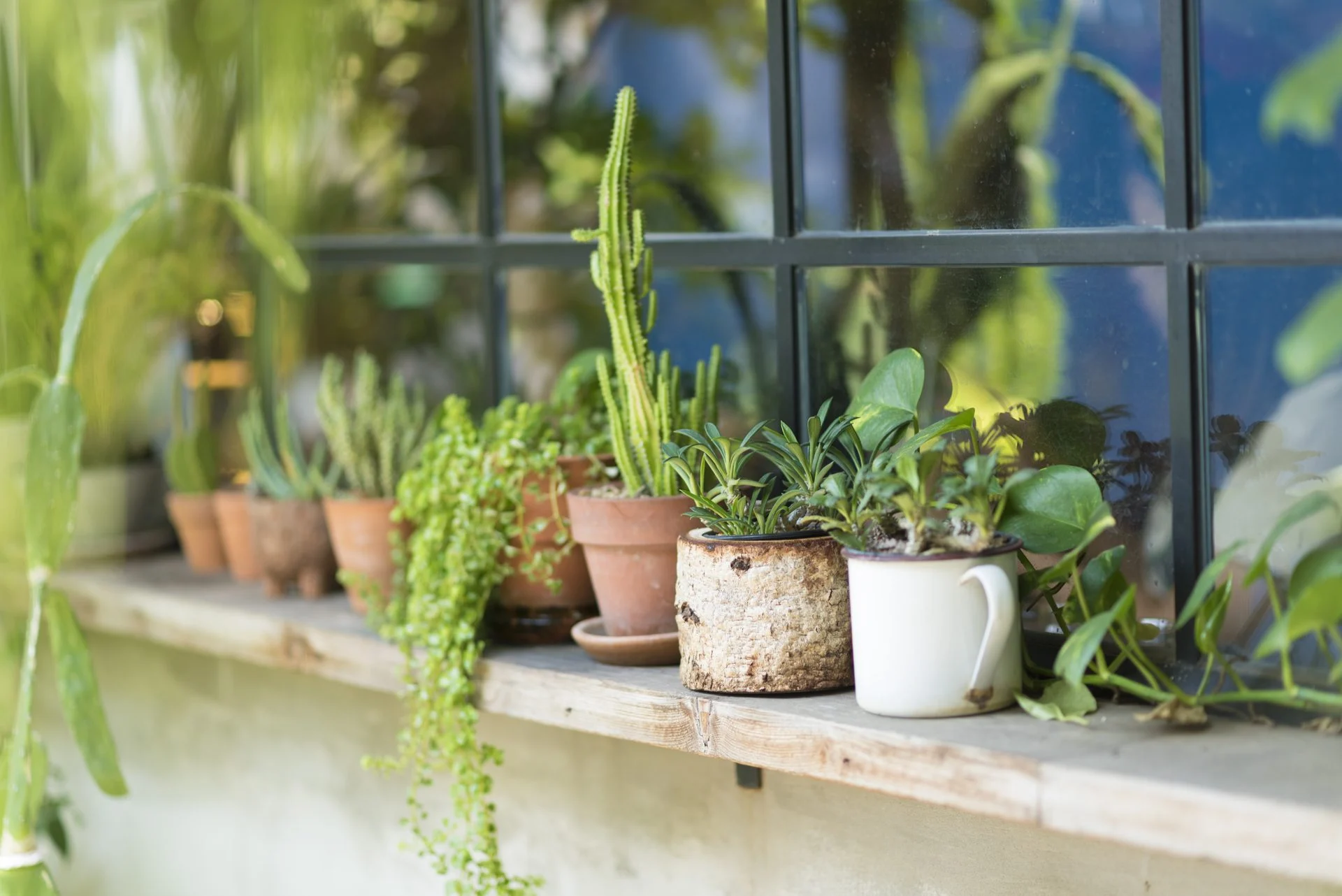
When the days get short and the heating comes on, even your hardiest plants can start to sulk. Good winter houseplant care is mostly about doing a little less and paying a little more attention. This guide covers light, watering, temperature, humidity and pests, in plain English, so your plants make it to spring in good shape.
Why winter houseplant care is different
In winter, daylight is shorter and weaker, and most houseplants slow down or stop growing. Slower growth means they use less water and need less food. Many problems at this time of year, such as drooping, yellow leaves and mouldy compost, come from treating plants the way you did in summer.
Adjusting your routine is the heart of winter houseplant care. Here is how to do it, one step at a time.
Give your plants as much light as possible
Light sits at the top of any winter houseplant care list.
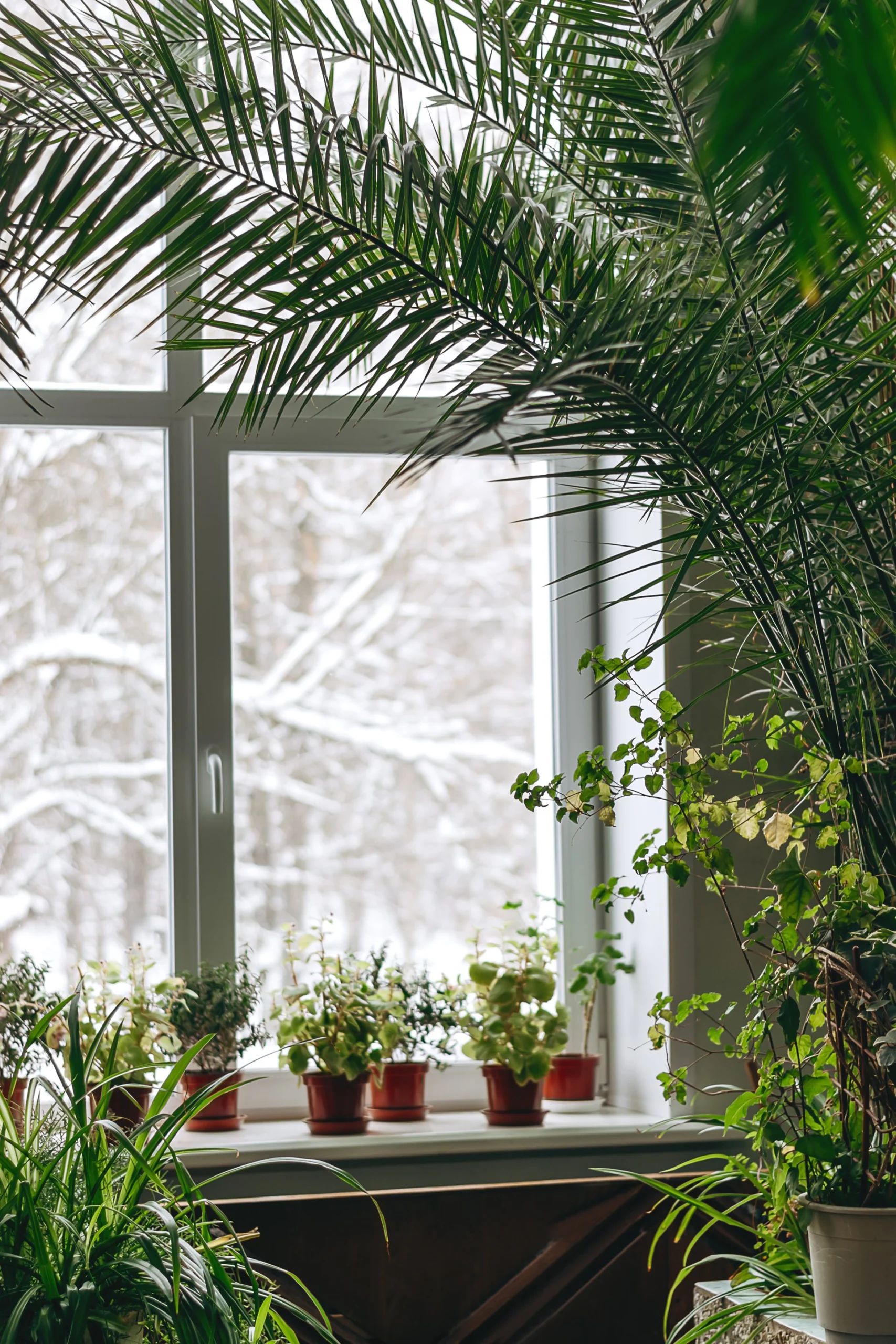
Light is the thing houseplants miss most in winter. The Royal Horticultural Society (RHS) advises giving them as much natural light as you can, for example by moving them to a sunny windowsill until March.
- Move plants closer to the window, especially those that were further back in summer.
- Clean the leaves and the glass. Dust and grime block light.
- Turn pots every week or so, so plants grow evenly rather than leaning.
- Open curtains and blinds during the day.
If you have a dark room, you could consider a grow light designed for houseplants, or simply choose tougher plants for the gloomiest spots. Moving plants nearer to windows is a good idea, but keep an eye on the next point.
Watch out for cold glass and draughts
Windowsills can be the best spot for light and the coldest spot in the house at night. The RHS notes that on frosty nights, plants on windowsills behind curtains, especially at single-glazed windows, can get very cold. Pull plants back into the room at night or move them off the sill when a frost is forecast.
Draughts are also a problem. Cold air from a door, a letterbox or a leaky window can damage tropical plants. If your home is draughty, our guide to draught-proofing your home will help both you and your plants.
At the other end of the scale, keep plants away from radiators, fires and hot air vents. Rapid changes in temperature and dry heat can scorch leaves and dry out the compost very quickly.
Water less, but do not forget
Watering is where most winter houseplant care goes wrong.
Overwatering is the most common cause of houseplant trouble in winter. The RHS advises keeping the compost barely moist in winter, and water cacti very sparingly. The simplest check is to push a finger into the compost. If it feels damp, wait. If it feels dry a couple of centimetres down, it is probably time to water.
- Use room-temperature water. Very cold water can shock roots.
- Water in the morning so excess moisture has time to drain or dry.
- Empty saucers. Standing water leads to rot. For plants like cyclamen, the RHS suggests watering from below and pouring away any excess.
- Check the pot has drainage holes. A cache pot without them can hold water at the bottom.
- Adjust for the plant. Succulents and cacti need much less than ferns or peace lilies.
Stop feeding, mostly
With growth slowing, most plants do not need feeding between late autumn and early spring. Cacti need no feeding in winter, according to the RHS. Some flowering plants, such as amaryllis after flowering, can be given a houseplant feed. If in doubt, check the care label that came with your plant or ask at your garden centre.
Keep the temperature steady
Steady conditions are another quiet pillar of winter houseplant care for indoor plants.
Most houseplants like a stable temperature. They do not enjoy swinging between a hot room in the day and a freezing one at night. Different plants have different needs, and some prefer cooler conditions. The RHS says cyclamen, azaleas and hyacinths like it cool, and that Christmas cacti may not flower if the room is above 18°C.
The best approach is to find out what each plant is and what it prefers. A quick search of the plant name, plus a look at a trusted source like the RHS, will tell you.
Boost humidity the easy way
Central heating dries the air, and tropical plants such as ferns, calatheas and palms often respond with crispy leaf tips. A few simple fixes can help.
- Group plants together. They create a slightly more humid pocket.
- Keep plants in the kitchen or bathroom if they have enough light there. Do not leave them in a dark bathroom.
- Use a tray of pebbles with water. Make sure the pot sits on the pebbles and not in the water.
- Consider a humidifier if you have a lot of tropical plants. It can help you too.
Misting is popular but its benefits are short-lived, and in cool, dark rooms damp leaves can encourage mould. If you mist, do it in the morning and avoid plants that dislike wet leaves.
Check for pests and problems
A weekly look at your indoor plants is the easiest habit in winter houseplant care.
Pests such as spider mites, mealybugs and fungus gnats can build up quietly in winter, especially in warm, dry homes. Look under leaves and around the stems when you water. Remove any dead leaves, as the RHS recommends regularly picking over plants and clearing fallen debris to reduce the risk of disease.
- Wipe leaves with a damp cloth to remove dust and some pests.
- Isolate any plant that looks affected so it does not spread.
- Let compost dry out a little more between waterings if you have fungus gnats.
- Follow product instructions carefully if you use any treatments, and keep them away from pets and children.
Prune and tidy sensibly
Winter is usually a time for light tidying rather than big pruning. The RHS suggests cutting back leggy plants such as pilea and tradescantia to encourage new growth. If you are not sure, wait until spring when plants start growing again.
Do not repot in the depths of winter
Unless a plant is in real trouble, leave repotting until spring, when it is growing strongly and will recover faster. If your plant is waterlogged or has a clear problem, repot carefully into fresh, free-draining compost.
Pets and safety
Some common houseplants can be harmful if chewed by cats, dogs or small children. Before you bring a new plant home or move one to a new spot, check whether it is toxic, and keep it out of reach if so. If you think a pet has eaten part of a plant, contact your vet promptly.
Plants and a cosy home
Indoor plants make a room feel alive in the darkest months. Put a few near your favourite chair, and the room takes on a calmer feeling, as in our ideas for creating a reading nook. For more ways to get the whole house ready for winter, read about hygge at home. And if you simply enjoy being among green things, take a look at our piece on spending time in nature.
Frequently asked questions
How often should I water houseplants in winter?
There is no set schedule. Check the compost before you water, and wait until it is drying out. Most plants need less in winter than in summer, so you may find you water every couple of weeks, depending on the plant and the room.
Is winter houseplant care really that different from summer?
Yes, because plants grow more slowly in low light, so they need less water and feeding. Adjusting your routine is usually enough.
Should I move my plants closer to the window?
Usually yes, as light is limited in winter. Just make sure they are not touching cold glass or sitting in a draught, and pull them back on frosty nights.
Why are my houseplant’s leaves turning yellow in winter?
The most common reasons are overwatering, too little light, cold draughts or a natural slowing of growth. Check the compost, the light and the position, and change one thing at a time.
Where to go from here
You do not need to do all your winter houseplant care at once. Try moving your plants to a brighter spot, cut back on watering and see how they respond over a couple of weeks. If you have a plant puzzle you would like help with, or a plant story you would like to share, please get in touch with us. More easy-going reads await on the Brew and Browse home page.

Lifestyle, travel, fashion and home ideas for your coffee break.