Winter Household Bills: Practical Ways to Keep Costs Down This Season
From draught-proofing to checking what support you are entitled to, these sensible steps can take the edge off winter bills.
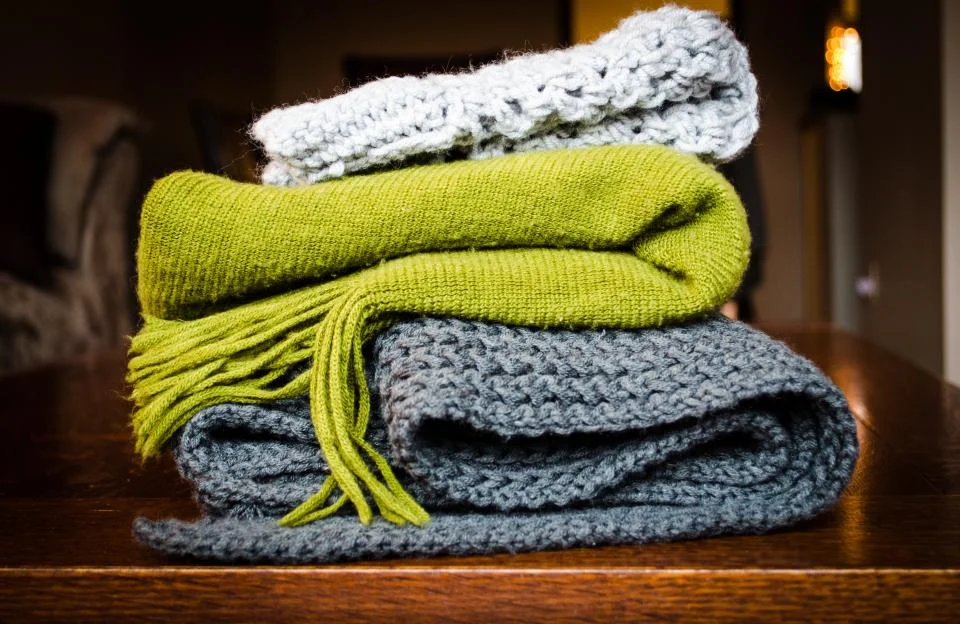
As the evenings draw in and the heating clicks on, many households brace themselves for higher bills. Winter naturally costs more, with longer hours of lighting, more time spent indoors and the need to keep warm. But a mix of small habits, simple home tweaks and a good look at your accounts can help you stay comfortable without feeling the pinch quite so sharply.
Keep the Heat Where You Need It
Warmth that escapes through gaps is money disappearing out of the window. Start with the easy wins:
- Draught-proof doors and windows with self-adhesive strips, brush seals for letterboxes and a draught excluder along the bottom of doors.
- Close curtains at dusk to hold in the day’s warmth, and open them on sunny days to let the light in.
- Keep radiators clear of sofas and long curtains so heat can circulate into the room.
- Bleed radiators if they are cold at the top, so they warm up properly.
- Use thermostatic radiator valves, if you have them, to keep spare rooms cooler than the living areas.
It is important not to under-heat your home, particularly if you are older, have young children or have a health condition. Cold homes can affect health, so focus on heating efficiently rather than going without. If you are concerned, your GP or pharmacist can offer advice on keeping well in cold weather.
Small Habits That Add Up
Daily routines make a difference over a whole season. Fill the kettle with only the water you need, run the washing machine and dishwasher with full loads, and try washing clothes at a lower temperature where the care label allows. Switch appliances off at the wall rather than leaving them on standby, and swap any remaining old bulbs for LEDs.
Batch cooking is another winter friend. Making a large pot of soup or stew uses the hob once for several meals, and slow cookers and air fryers can be handy for smaller portions. Layering up at home with a jumper, thick socks and a throw on the sofa is a cosy, low-cost way to feel warmer too.
Give Your Accounts a Winter Check-Up
Beyond energy, it is worth reviewing your other regular bills. Set aside an evening with a cup of tea and look at:
- Your energy account. Submit regular meter readings so you are billed accurately, or check your smart meter is sending readings. Make sure your direct debit reflects your actual use.
- Broadband and mobile. If your contract has ended, you may be paying more than you need to. Many providers also offer cheaper social tariffs for people on certain benefits.
- Subscriptions. Streaming services, apps and memberships are easy to forget. Cancel the ones you no longer use.
- Insurance renewals. Do not simply auto-renew. Compare what is available and check you have the right level of cover.
A cosy winter is about heating smarter and checking the small print, not sitting in the cold.
Find Out What Help Is Available
Depending on your circumstances, you may be entitled to support. Schemes such as the Warm Home Discount and the Winter Fuel Payment exist to help eligible households, and the rules can change, so check the latest details on GOV.UK. Your energy supplier can also tell you about its Priority Services Register, which offers extra support for people who are older, disabled, have a long-term health condition or need additional help.
If you are struggling to pay, contact your supplier as early as possible. Suppliers are expected to work with customers in difficulty, which may include setting up an affordable payment plan. Free, impartial help is also available from Citizens Advice and MoneyHelper, who can help you look at your options.
Pick two or three changes from this list and start this week. A warmer home and a calmer bank balance are often built from the small things done consistently all winter long.

Lifestyle, travel, fashion and home ideas for your coffee break.