Portugal Travel Tips for a Smooth, Stress-Free Holiday
Portugal has a lot going for it. There are golden beaches along the coast, historic cities packed with character, and plenty to suit whether you want…
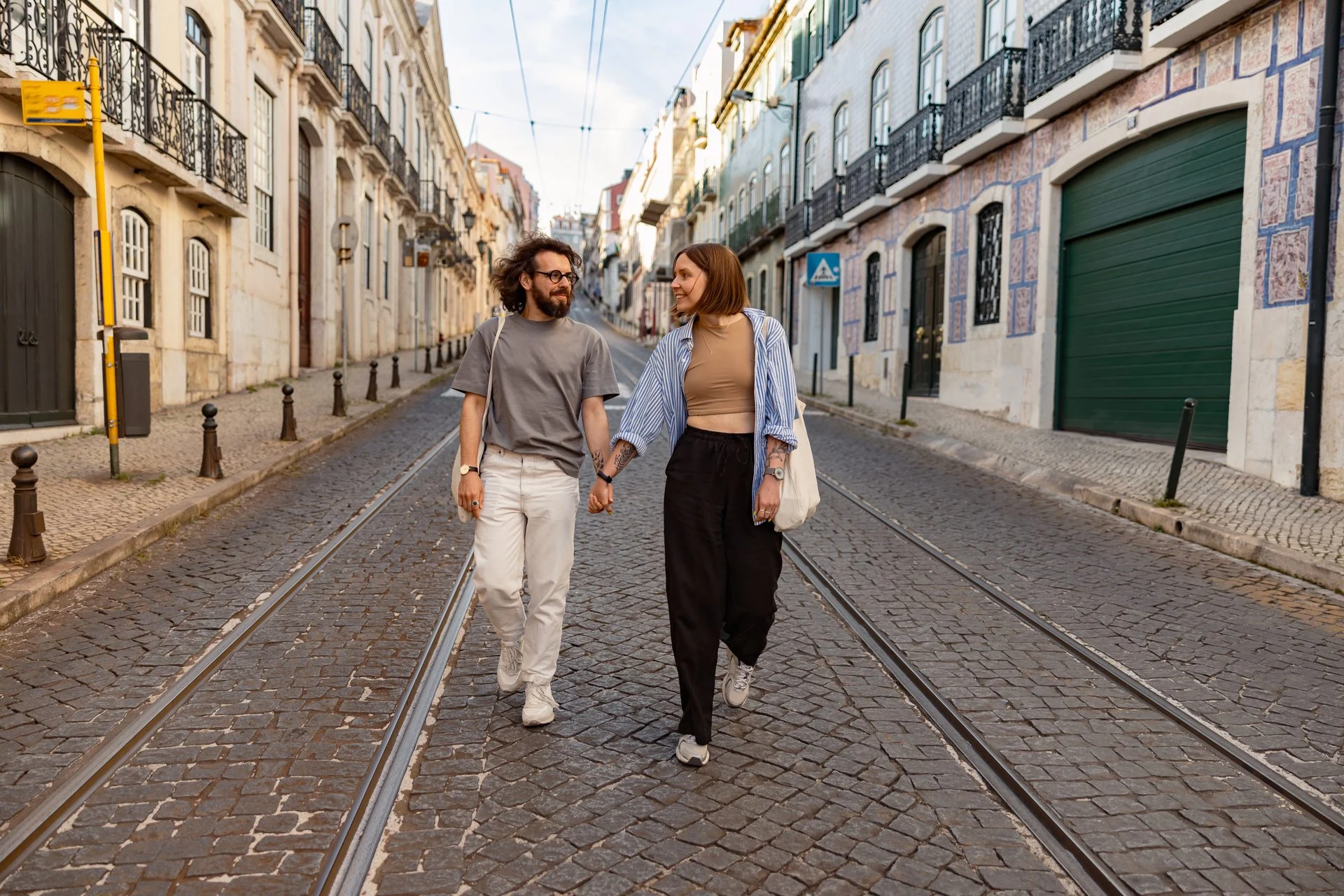
Portugal has a lot going for it. There are golden beaches along the coast, historic cities packed with character, and plenty to suit whether you want to wander through Lisbon or flop on an Algarve beach. The catch is that busy seasons and unfamiliar transport can turn a lovely idea into a costly headache if you turn up without a plan.
A little preparation goes a long way. Here are our favourite Portugal travel tips for keeping costs down and enjoying every day.
Portugal Travel Tips: Choose Your Season Carefully
The busiest stretch runs from June to September, especially in Lisbon, Porto and the Algarve. In July and August, accommodation prices climb and the best-known sights fill up fast.
If you would rather have more breathing space, aim for May or September. The weather is still pleasant, and the crowds are thinner. Whenever you go, book flights and places to stay several months ahead, as early bookings tend to bring better prices.
It also pays to buy tickets in advance for the big attractions. Lisbon’s Jerónimos Monastery is a good example, and a pre-booked ticket means less time standing in a queue and more time actually looking around.
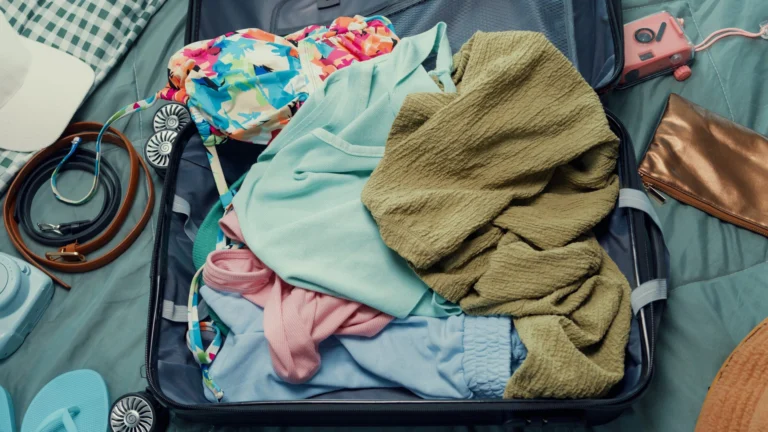
What to Pack for Portugal’s Weather
The climate changes depending on where you are. The Algarve has hot, dry summers, while the north, including Porto, tends to see more rain. Winds along the coast can make evenings feel cooler than you might expect.
- Light, breathable clothes for daytime sightseeing
- A jumper or jacket for after dark
- Comfortable walking shoes, which are a must for Lisbon’s steep hills and cobbled pavements
Eat Like a Local
A few words of Portuguese go down well. Say bom dia for good morning, and obrigado (if you are male) or obrigada (if you are female) to say thank you.
The food is a highlight in its own right. Look out for grilled sardines, salt cod and freshly baked pastéis de nata. For better value, step away from the big tourist spots and head for neighbourhood restaurants, where meals are often more reasonably priced. Many of them serve a prato do dia, or dish of the day, which is an affordable way to get a taste of regional cooking. If you want a place to start, this Porto food guide lists plenty of ideas.
Getting Around Without the Fuss
Travelling between the main cities is fairly straightforward. Trains link Lisbon and Coimbra, and city metro systems help you skip the traffic.
For countryside trips or smaller Algarve villages, a hire car gives you much more freedom. You can seek out quiet beaches and pull over at viewpoints whenever you like. Before you set off, check how the motorway tolls work and where you can and cannot park. If beaches are top of your list, this guide to Portugal’s best beaches is worth a look.
Stay Safe and Stay Connected
Portugal is generally a safe place for visitors, but pickpockets do operate around busy attractions and on public transport. Keep your valuables secure and stay aware of your bag in crowded places.
Before you fly, check what your mobile provider charges for roaming so there are no nasty surprises on your bill. It is also smart to download offline maps, which will help you find your way when the signal drops.
The best holidays mix good preparation with room for happy accidents. Choose accommodation that fits the way you like to travel, whether that is a city apartment or a roomy base for a group, and leave a few gaps in the diary. Those unplanned moments are often the ones you remember longest.

Lifestyle, travel, fashion and home ideas for your coffee break.