Loud Budgeting: How Gen Z and Millennials Make Saving Cool
Not long ago, talking about your budget over dinner would have raised eyebrows. Money planning felt like a chore, the grown-up version of eating your greens.…
Not long ago, talking about your budget over dinner would have raised eyebrows. Money planning felt like a chore, the grown-up version of eating your greens. Now younger people are rebranding thrift on social media, and loud budgeting is one of the clearest signs that saving has become fashionable.
Small steps, big safety nets
At the heart of the movement are “money microtrends”. Rather than asking for a total lifestyle makeover, they focus on putting aside small, regular sums. Think of skipping a second takeaway coffee, sending a fiver to savings automatically, or switching on a daily round-up in your banking app.
Breaking the mountain of financial security into bite-sized pieces means people can build a decent cushion without really feeling the pinch.
What loud budgeting means
The real boost comes when these habits go public. Gen Z and Millennials aren’t just saving quietly. They say it out loud, for example telling friends that an expensive dinner is not in their financial lane this month. It swaps the worry of missing out for the calm of being in control. In other words, saying no to something becomes a confident choice instead of an awkward excuse.
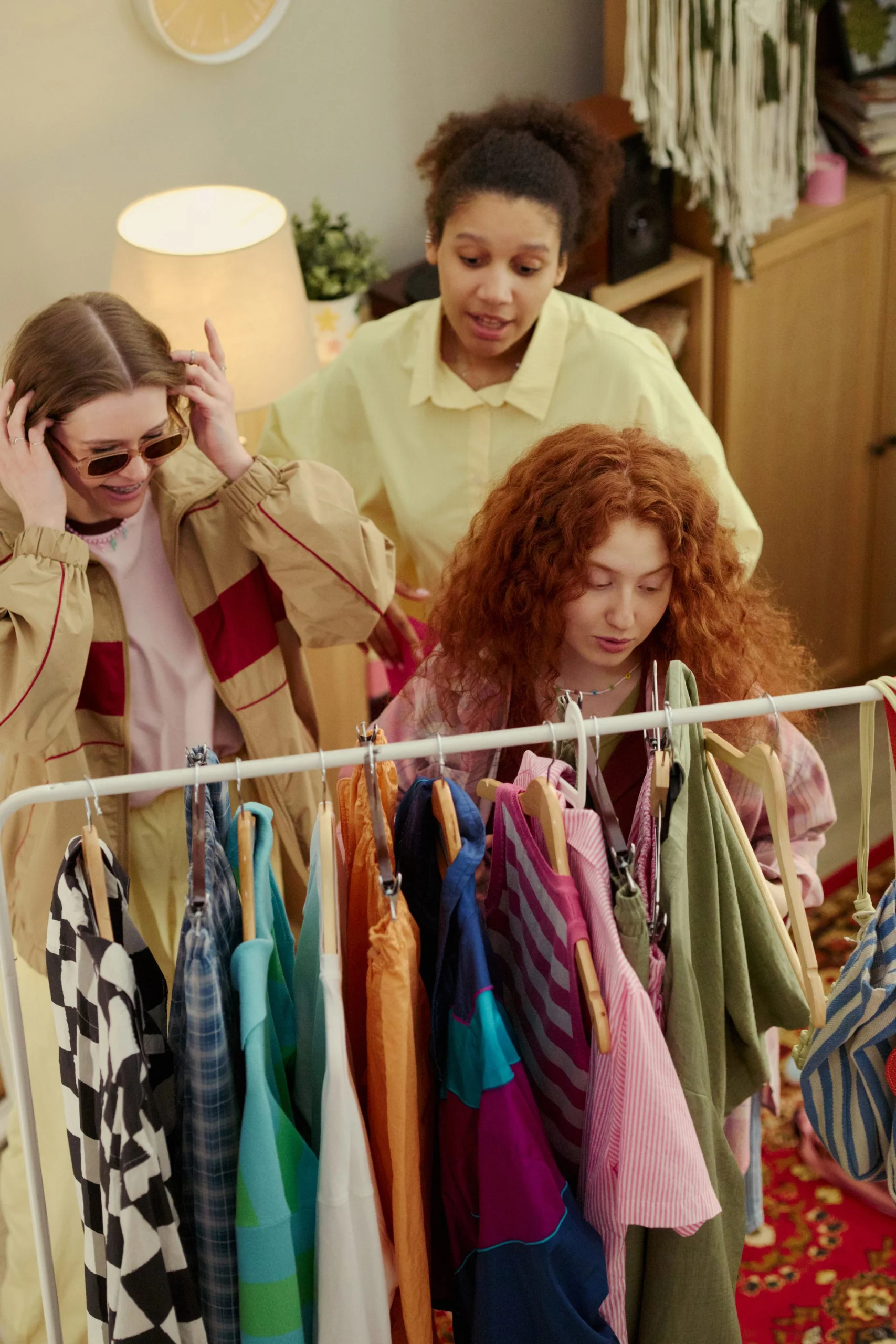
Add the rise of “frugal chic”, which makes second-hand shopping, DIY home projects and cosy potluck hosting look stylish, and the result is saving as a shared activity. Being open about it keeps people accountable, and that can help them save faster than going it alone.
Pre-loved goes mainstream
When budgets tighten, people get resourceful, and second-hand is an obvious way to stretch money. Cost is still the main reason most shoppers try pre-loved, but sustainability tends to keep them coming back. Once you have bought one really good second-hand piece, paying full price for something you could find better used is hard to face.
What was once a niche is now mainstream. Rising prices, better platforms such as Vinted and Depop, and a real change in attitudes mean second-hand is the default for many shoppers. People are proud of a great find and happy to share it.
There is a new angle on value too. Shoppers think about resale before they buy, so a good coat is something you wear and then pass on for £40 next year. That makes durability cool again.
Making money work harder
Technology has turned money from something you handle once a month into something you deal with daily. Rounding up spare change, tracking spending as it happens and earning rewards while you shop are now normal expectations. People want their bank and their shopping to quietly earn in the background.
Ashley Bailey, founder of the AI shopping platform Dig, says shoppers are asking a different question. It has moved from “can I afford this?” to “am I getting the best value for this?” More people are researching, comparing and waiting for the right moment to buy.
Here to stay
Part of the appeal is the sense of community. When friends swap tips, share bargains and cheer each other on, saving stops feeling like a sacrifice and starts to feel like a team effort. This looks less like a passing phase and more like the new normal. The shift towards intentional spending is about a different relationship with money, one where being thrifty is something to be proud of. If you fancy joining in, pick one microtrend, tell a friend about it and see how it goes.
Lifestyle, travel, fashion and home ideas for your coffee break.