Jobs AI Can’t Replace: The Real-World Superhuman Roles
Plenty of office jobs are being reshaped by artificial intelligence, but some roles look far harder to hand over to a machine. A ranking from AI…
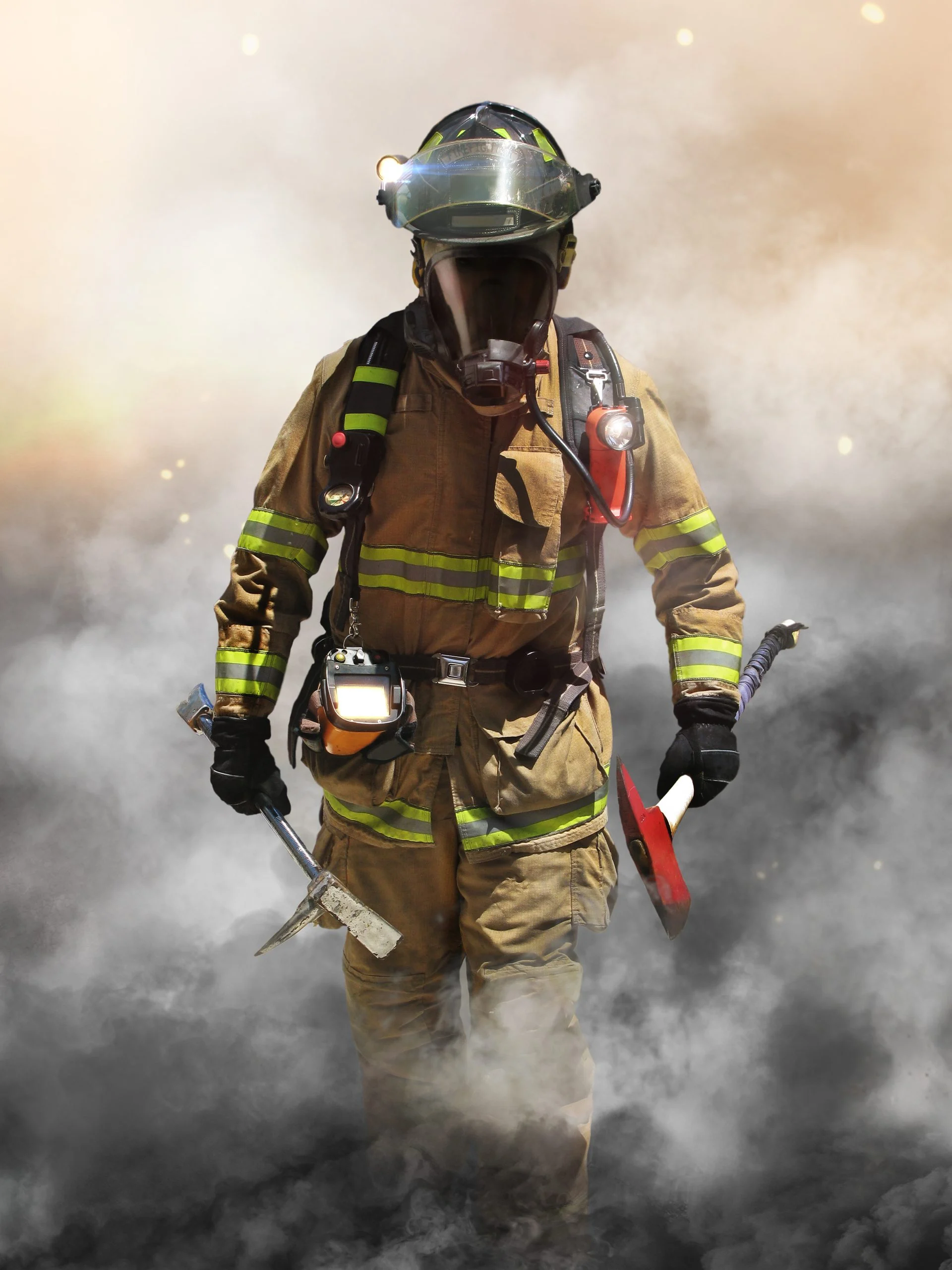
Plenty of office jobs are being reshaped by artificial intelligence, but some roles look far harder to hand over to a machine. A ranking from AI resume builder Resume Now has set out the jobs AI can’t replace by looking at the near-superhuman demands of real-world work. As it points out, you can’t write code to put out a fire or fix a sudden loss of cabin pressure.
Jobs AI can’t replace: how the ranking works
Resume Now’s “Superhuman Skills Ranking” draws on O*NET occupational data. It looked at six abilities linked to demanding, high-pressure work:
- Endurance (stamina): keeping up physical effort over long periods
- Strength (static strength): using maximum muscle force to lift, push, pull or carry
- Reflexes (reaction time): responding fast to a signal, movement or change
- Navigation (spatial orientation): knowing where you are, or where objects are, in relation to your surroundings
- Split attention (time sharing): switching between several activities or sources of information in real time
- Danger detection (problem sensitivity): spotting that something is wrong, or about to go wrong, before it escalates
Taken together, these point to jobs where human ability is central. AI might assist, but the work often needs physical presence, judgement, perception and action in changing surroundings.
It is a neat way of looking at work, because it focuses on what a job demands of a person in the moment rather than on job titles. A role can look quite ordinary on paper and still ask someone to stay alert for hours, move heavy equipment, or notice a tiny warning sign before it turns into a serious problem. Those are exactly the things that are tricky to pass to software.
What the results show
- Emergency work leads. Firefighters are ranked number one because the job combines strength, stamina, quick reactions, spatial awareness and danger detection under pressure.
- Tough environments dominate the top ten. Many leading roles take place on construction sites, in the air, underground, outdoors or around heavy equipment.
- It isn’t only about creativity or communication. Some of the hardest jobs to replace fully may be the ones where people use their bodies, read their surroundings, react quickly and make high-stakes decisions.
- Some jobs excel at one thing. Air traffic controllers come first for time sharing, O*NET’s measure of multitasking, but the overall ranking rewards roles that score strongly across several abilities.
What it means for AI and work
AI may well change these jobs, yet the ranking shows why complete replacement is more complicated than automating a handful of tasks. The top occupations involve moving through real environments, reading shifting conditions, reacting fast and taking responsibility when the stakes are immediate. AI can support the work, but human performance stays at the centre.
Keith Spencer, a career expert at Resume Now, says AI can process information at incredible speed, but many of these jobs need physical presence, real-time judgement and accountability in unpredictable settings. In his view, firefighters, pilots, construction workers and other high-scoring occupations show that the future of work is about more than automation. It is also about the human judgement, movement and accountability that remain central to real-world roles.
A fresh way to look at your own job
It is a fun reminder that “safe from AI” doesn’t only mean creative or people-focused work. If your own job leans on physical skill, quick decisions and a feel for your surroundings, you may have more to be proud of than you thought.

Lifestyle, travel, fashion and home ideas for your coffee break.