Alternative payment methods: why your online shop needs them
Running an online shop is about making buying as easy and trustworthy as possible. One of the simplest ways to do that is to take alternative…
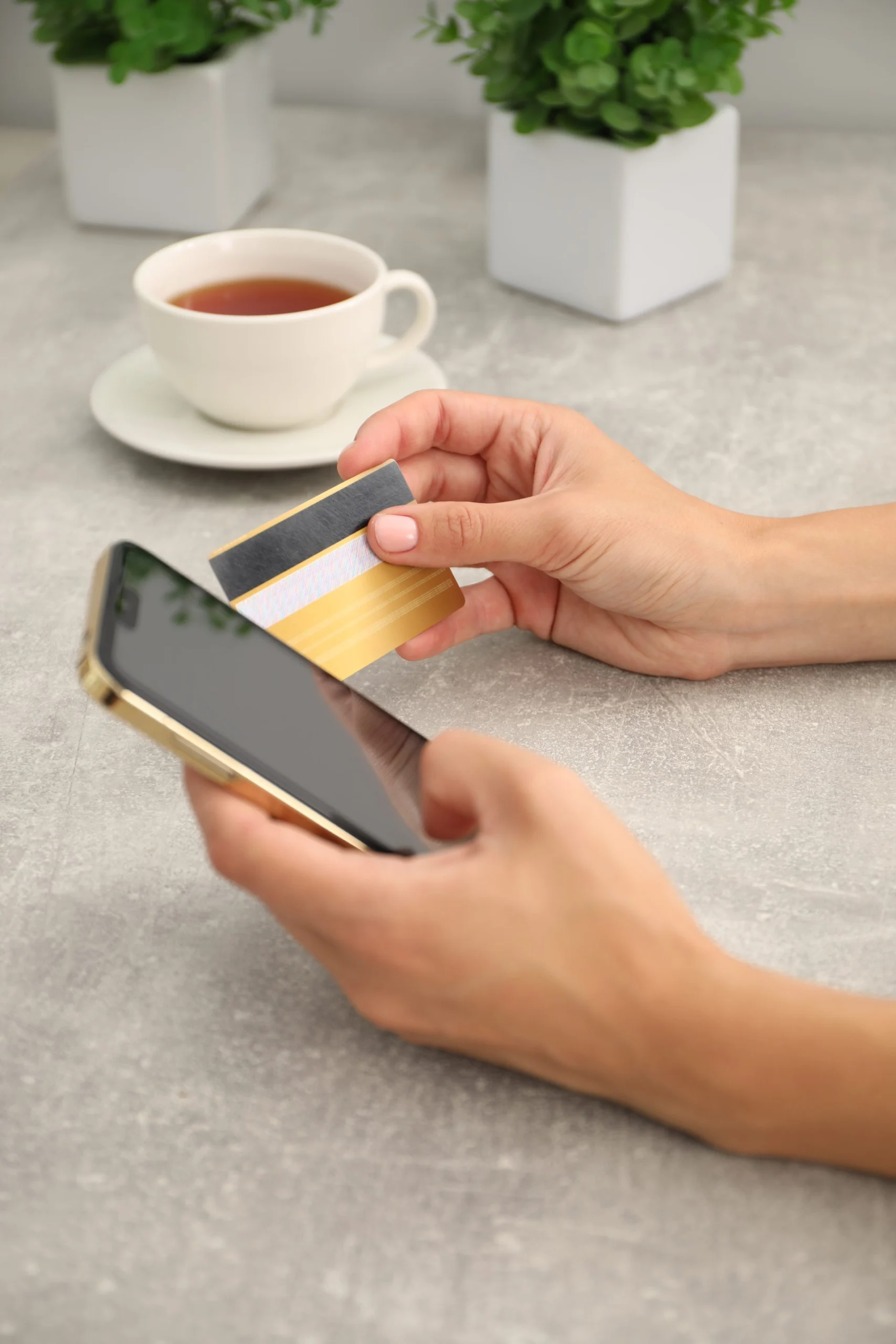
Running an online shop is about making buying as easy and trustworthy as possible. One of the simplest ways to do that is to take alternative payment methods alongside the usual cards. Here is why they matter and what they can do for your sales.
Shoppers now pay in plenty of ways beyond credit and debit cards. E-wallets, QR codes, payment links, contactless NFC payments and, occasionally, cryptocurrency are all in the mix. Offering them can make customers happier and open the door to new markets.
How shoppers are changing, and why alternative payment methods follow
As digital commerce has matured, people expect to pay online with the same tools they use every day, such as digital wallets and payment apps. Digital payments keep growing around the world as more people favour convenient, tech-led ways to pay.
For shop owners, that means a card-only checkout may no longer cut it. If buyers cannot see their preferred option, they may hesitate or walk away. Showing that you keep up with how people pay says a lot about your business.
Fewer abandoned baskets
Abandoned baskets are one of the biggest headaches in ecommerce, and a clunky checkout is a major cause. Limited payment choices add to the friction, especially if a customer has to find another card or leave your site to pay somewhere else.
Wallets and mobile payments often let people finish with a single confirmation. That removes hesitation at the final step and can lift your conversion rate.
Reaching new customers
Payment habits differ by region and age group. In many countries, digital wallets or bank transfers are more popular than cash or cards. Worldpay’s Global Payments Report notes that alternative methods make up a significant share of ecommerce transactions worldwide, so tailoring your options to each market is sensible.
If you are thinking about selling abroad, offering locally favoured methods builds trust, because people buy more readily when they spot something familiar at checkout. It can also let you reach customers who could not or would not pay by card.
Because you can offer different methods to different groups, you can also learn what your customers actually prefer. Over time, that tells you which options deserve a prominent spot at checkout and which can be quietly dropped.
Keeping the money coming in
Relying on a single payment provider is risky. An outage, a fraud investigation or an account hold could stop you taking payments completely until it is sorted.
Several payment routes give you a safety net. If one provider has a problem, sales can carry on through another, so you are less dependent on one system.
Speed, convenience and trust
Mobile shopping keeps growing, and many people buy straight from their phones. Wallets and contactless tools store payment details securely and approve payments instantly, and mobile wallet use has expanded quickly in recent years.
Offering well-known payment platforms also signals professionalism. Customers often link modern payment options with security and competence, and a shop that makes paying easy may win out over a rival that does not.
- Smoother checkout means happier customers and more repeat purchases.
- Familiar payment brands reassure first-time buyers.
- More choice helps you stand out in a crowded market.
In short, accepting a wider range of payments is quickly becoming the norm. Add a few modern options to your checkout and you will be better placed for steady, long-term growth.
Lifestyle, travel, fashion and home ideas for your coffee break.