Why Families Are Choosing UK Seaside Holidays Again
There is a quiet shift happening on the British coast. Families who might once have booked a week in the Mediterranean are looking closer to home,…
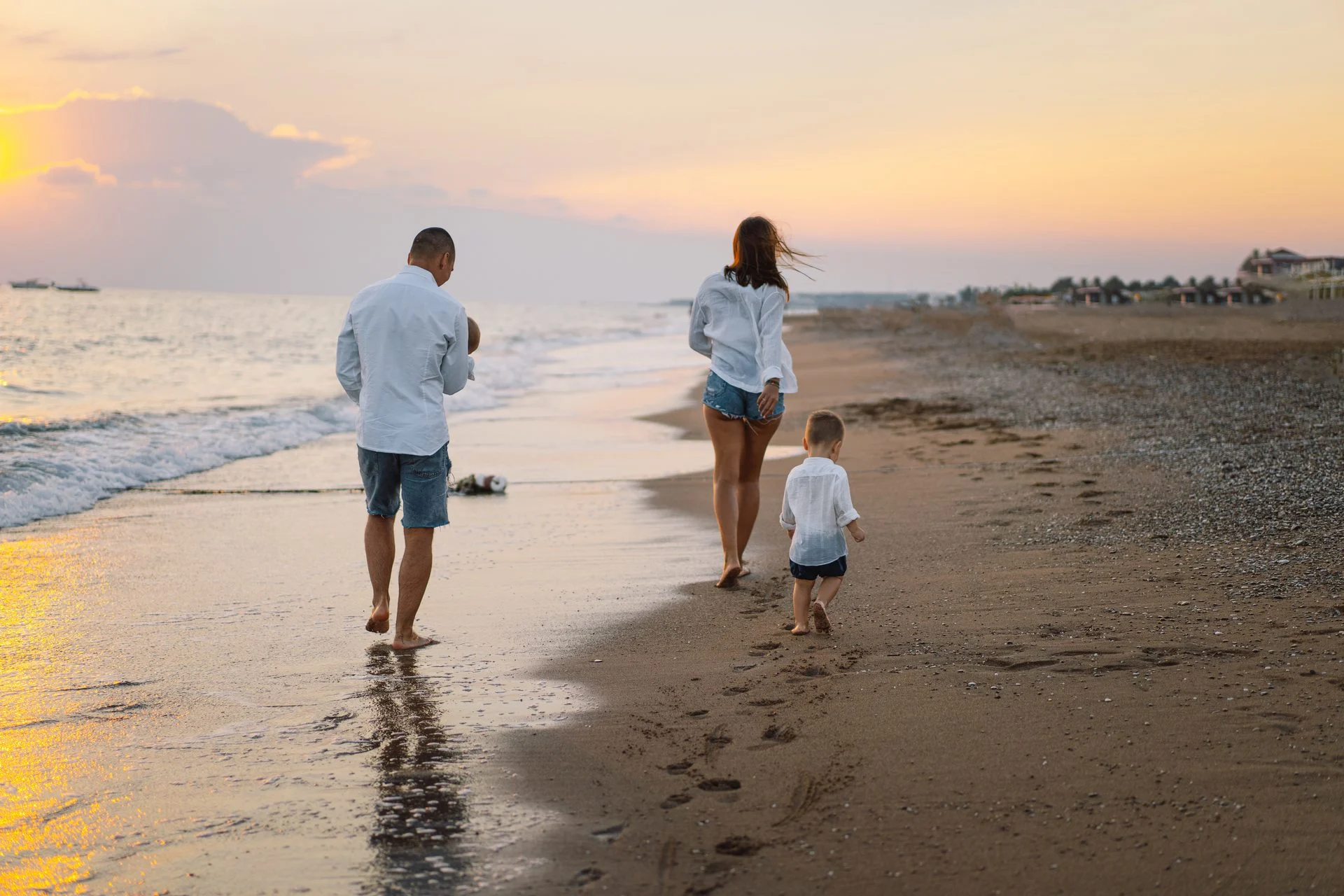
There is a quiet shift happening on the British coast. Families who might once have booked a week in the Mediterranean are looking closer to home, and many of them are hoping to relive the sort of beach holiday they remember from their own childhoods. Ice creams, rock pools and a breezy walk along the front are all back on the wish list.
The numbers back it up, and so does a fresh look at how much time families actually spend together.
A big jump in interest in the British coast
Search interest tells its own story. Online searches for staycations have climbed by 451% in a single month, while searches for the best UK seaside towns are up 196% over a three-month stretch.
Part of the appeal is practical. Airport queues, shifting exchange rates and general travel uncertainty make a drive to the coast feel easy and low-stress. But research from holiday park operator Parkdean Resorts suggests the pull is emotional too.
Why UK seaside holidays feel so appealing right now
Many of us have happy memories of holidays by the sea, from playing games to exploring outdoors with no real plans. That carefree feeling is exactly what parents say they want back.
The same research found that three in four families (75%) would be open to a nostalgic, back-to-basics break. When asked what they would enjoy most about an unplugged holiday, people pointed to:
- Better quality time with family (38%)
- Feeling more present (28%)
- Improved mental wellbeing (21%)
It is a telling list. Nobody is asking for a bigger pool or a flashier itinerary. They want time and attention for each other.
The screen problem at home
Part of the reason is how little distraction-free time families get day to day. Only one in three families (32%) say they manage quality time together without screens on a daily basis. Remote working, phones and tablets all compete for attention in the evenings and at weekends.
Even on holiday, devices tag along. Some 91% of families use them during shared time, which is understandable, because life does not pause just because you are away.
A balanced way to unplug
Relationship expert Jessica Alderson, co-founder of SoSynced, says the aim is not to ban phones altogether. It is about finding a balance, so the people around you know they come first. She points to three benefits of putting devices down:
- You feel more present. Constantly checking a phone can quietly suggest something else is more interesting than the person in front of you.
- You help loved ones feel seen. Regular phone checking can leave family members feeling unheard or unimportant.
- You feel closer. A quick check is one thing, but repeatedly disappearing into a screen changes how connected everyone feels.
Anthony Reilly, Marketing Director at Parkdean Resorts, adds that the best childhood coastal memories often came from simple things like games, outdoor exploring and being carefree, and that families can rediscover that by stepping away from their phones together.
Making a screen-free break work
You do not need to go fully off grid. A few easy ground rules can help:
- Agree a time each day when phones stay in the bag.
- Plan one simple outdoor activity, such as rock pooling or a clifftop stroll.
- Keep a quick check-in window for work or messages, then put the phone away.
If the thought of switching off appeals, a few days at one of the UK seaside holidays destinations might be the easiest reset available. It is only a few hours’ drive away, and the memories tend to last.

Lifestyle, travel, fashion and home ideas for your coffee break.