Isle of Wight History: A Guide to Castles, Villas and Rockets
The Isle of Wight has played a bigger part in British life than its size suggests. Its position at the entrance to the Solent made it…
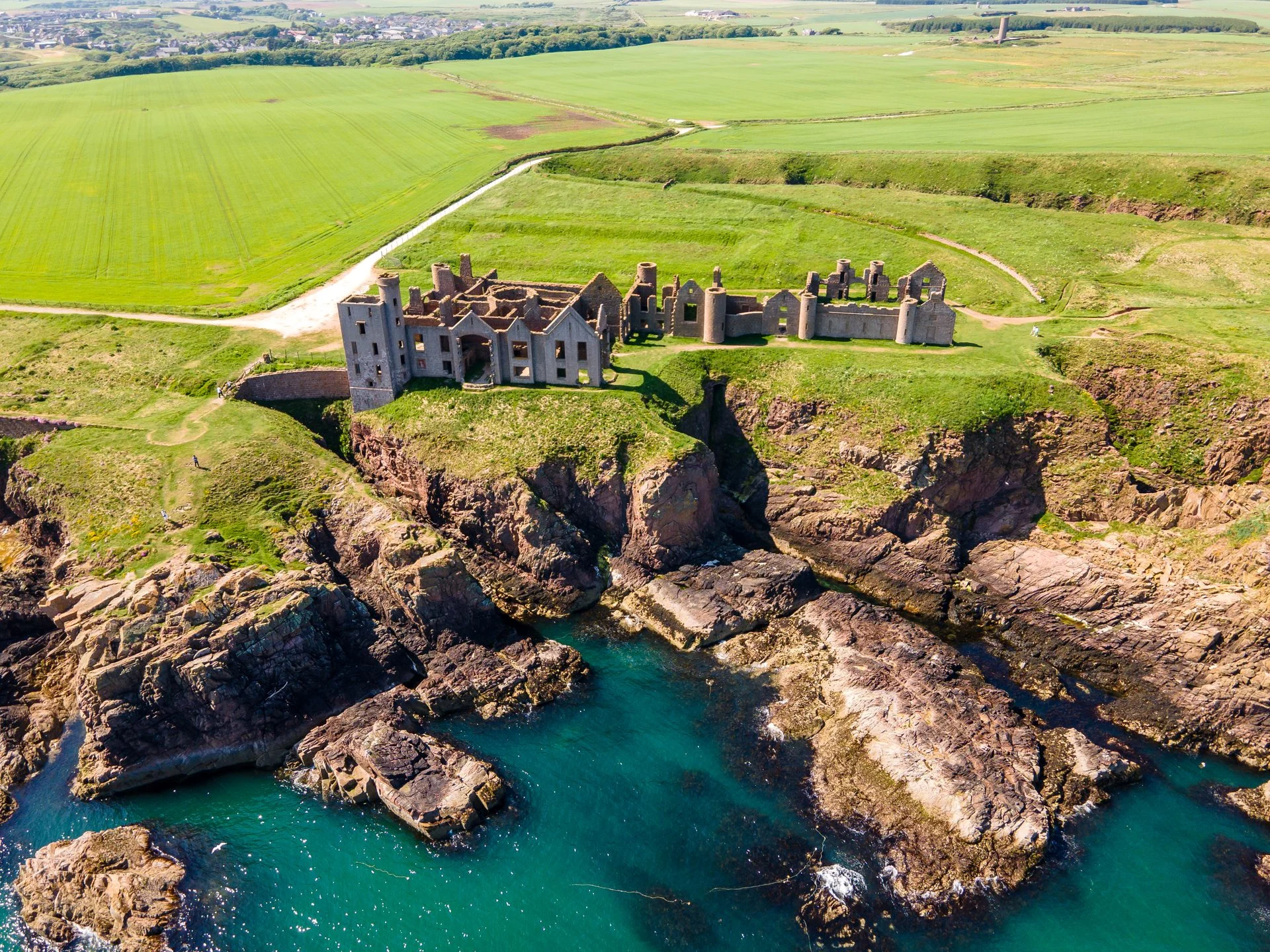
The Isle of Wight has played a bigger part in British life than its size suggests. Its position at the entrance to the Solent made it strategically important, and its mild climate and scenery drew royalty, writers, artists and wealthy holidaymakers. Long before them, dinosaurs roamed the landscape and Romans built farms and villas.
A trip focused on Isle of Wight history can cover millions of years in one weekend. Group places by area, leave time for small museums, churches and villages, and read a little before each stop so you recognise the people behind the buildings.
Isle of Wight history starts with dinosaurs
The cliffs and beaches hold evidence from the age of dinosaurs. Dinosaur Isle in Sandown explains why the geology matters and shows fossils found locally. It makes a good first stop before a guided fossil walk along the coast.
Collecting is not allowed or safe everywhere. Cliffs can fall without warning, tides can cut off beaches, and important finds should be reported properly. A guided outing gives the best mix of discovery, safety and context.
Roman life and a castle with a story
Brading Roman Villa shows a different chapter. Its surviving mosaic floors point to a wealthy rural estate connected to the wider Roman world, and a modern building protects the remains so you can study the rooms up close. Picture the fields, workers and trade around it, and check opening times first, as they can change with the season.
Carisbrooke Castle grew from an early stronghold into a Norman castle and then an Elizabethan artillery fortress, reflecting centuries of worry about invasion. After the English Civil War, King Charles I was held here. He tried to escape and failed, and was later taken to the mainland before his execution in 1649. The museum, chapel and walls show different stages of its life, and the well-house donkeys carry on a tradition linked to raising water from the deep well.
Royal, military and wartime sites
Queen Victoria and Prince Albert bought and developed Osborne as a family retreat. Its Italianate design and Solent views were a world away from formal court life, though the state rooms remain impressive. The Durbar Room reflects nineteenth-century imperial interests, while family objects show the private side of the household. Victoria spent more time here after Albert’s death and died at Osborne in 1901.
The Needles Old Battery was commissioned in the 1860s amid fears of a French invasion that never came. Nearby, the New Battery later became part of Britain’s secret rocket testing programme, contributing to the Black Knight and Black Arrow projects.
Remains of radar stations, gun batteries and observation posts also survive across the downs, with Ventnor Downs and Culver Down good places to find them. Do not enter sealed or unstable structures, and a reliable walking guide helps explain what once stood there.
Sailing, writers and village churches
Cowes became famous for sailing, yacht building and regattas. Across the river, East Cowes grew through industry and royal links, and walking both sides gives a fuller picture than the busy shopping streets alone.
In the nineteenth century the Island inspired creative people. Alfred, Lord Tennyson lived at Farringford near Freshwater, and photographer Julia Margaret Cameron made portraits of leading Victorians at Dimbola in Freshwater Bay. Newport, Godshill and Brighstone add historic streets, churches and village character. Remember that churches are still places of worship, so enter respectfully.
Planning your itinerary
For two days, pair Osborne with Cowes or Newport, then spend day two at Carisbrooke Castle and the west coast batteries. With longer, add Brading, Dinosaur Isle and Freshwater. Book major attractions when advised, and check ferry times and routes directly with Wightlink, especially at weekends and school holidays.
Taken together, a Roman mosaic, a royal bedroom, a ruined battery and a village church tell one story: an Island shaped by the sea, yet always tied to events far beyond its shores.

Lifestyle, travel, fashion and home ideas for your coffee break.