Better Coffee at Home: Simple Tweaks for a Café-Quality Cup
You do not need a fancy machine to make great coffee at home – just fresher beans, the right grind and a little patience.
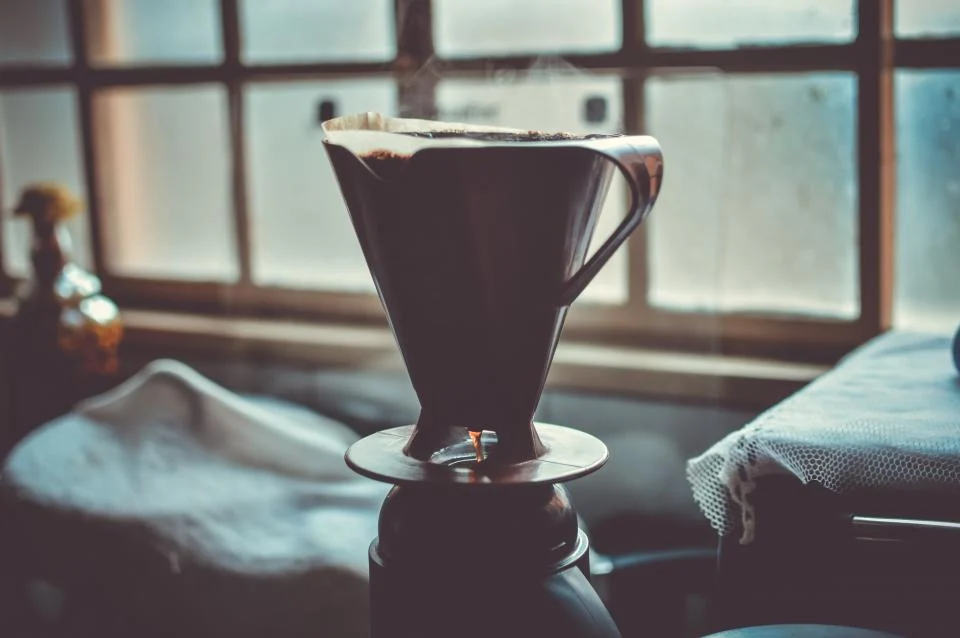
There is something deeply satisfying about making a cup of coffee at home that tastes as good as the one from your favourite café. The good news is that it rarely comes down to expensive kit. A few simple changes to how you buy, store and brew your coffee can make a bigger difference than any shiny new gadget.
Start With Fresh Beans
Coffee is at its best within a few weeks of roasting, so look for bags that show a roast date rather than just a best-before date. Buying smaller bags more often is better than one large bag that sits in the cupboard for months. Once opened, keep beans in an airtight container away from heat, light and moisture. A cool, dark cupboard works well; the fridge is best avoided, as beans can pick up moisture and the smells of other food.
Grind Just Before You Brew
If you only make one upgrade, make it this. Ground coffee loses its aroma quickly, so grinding just before brewing keeps far more flavour in the cup. A burr grinder gives a more even grind than a blade grinder, which helps the coffee extract evenly. Match the grind to your method:
- Cafetière: coarse, like rough sea salt.
- Pour-over or filter: medium, similar to sand.
- Stovetop moka pot: fine, but not powdery.
- Espresso: very fine, almost like flour.
Mind the Water
Coffee is mostly water, so it pays to think about it. If your tap water tastes strongly of chlorine or you live in a hard-water area, a filter jug can noticeably improve the flavour. Avoid pouring boiling water straight onto the grounds, as it can bring out bitterness. Leave the kettle to rest for about thirty seconds after it boils before you pour.
Weigh, Time and Taste
Using kitchen scales may feel fussy, but it is the easiest way to get a consistent cup. Weigh your coffee and water each time, note what you did, and adjust from there. If your coffee tastes sour or thin, try a slightly finer grind or a longer brew. If it tastes harsh or bitter, go a little coarser or shorten the brewing time. Small changes, one at a time, will help you find the cup you love.
Finally, keep your equipment clean. Old coffee oils build up in cafetières, grinders and machines and can leave a stale taste. A regular rinse and an occasional deep clean will keep every cup tasting fresh – and make your morning coffee break something to look forward to.

Lifestyle, travel, fashion and home ideas for your coffee break.